Powering the Next Generation of Commercial Vehicles
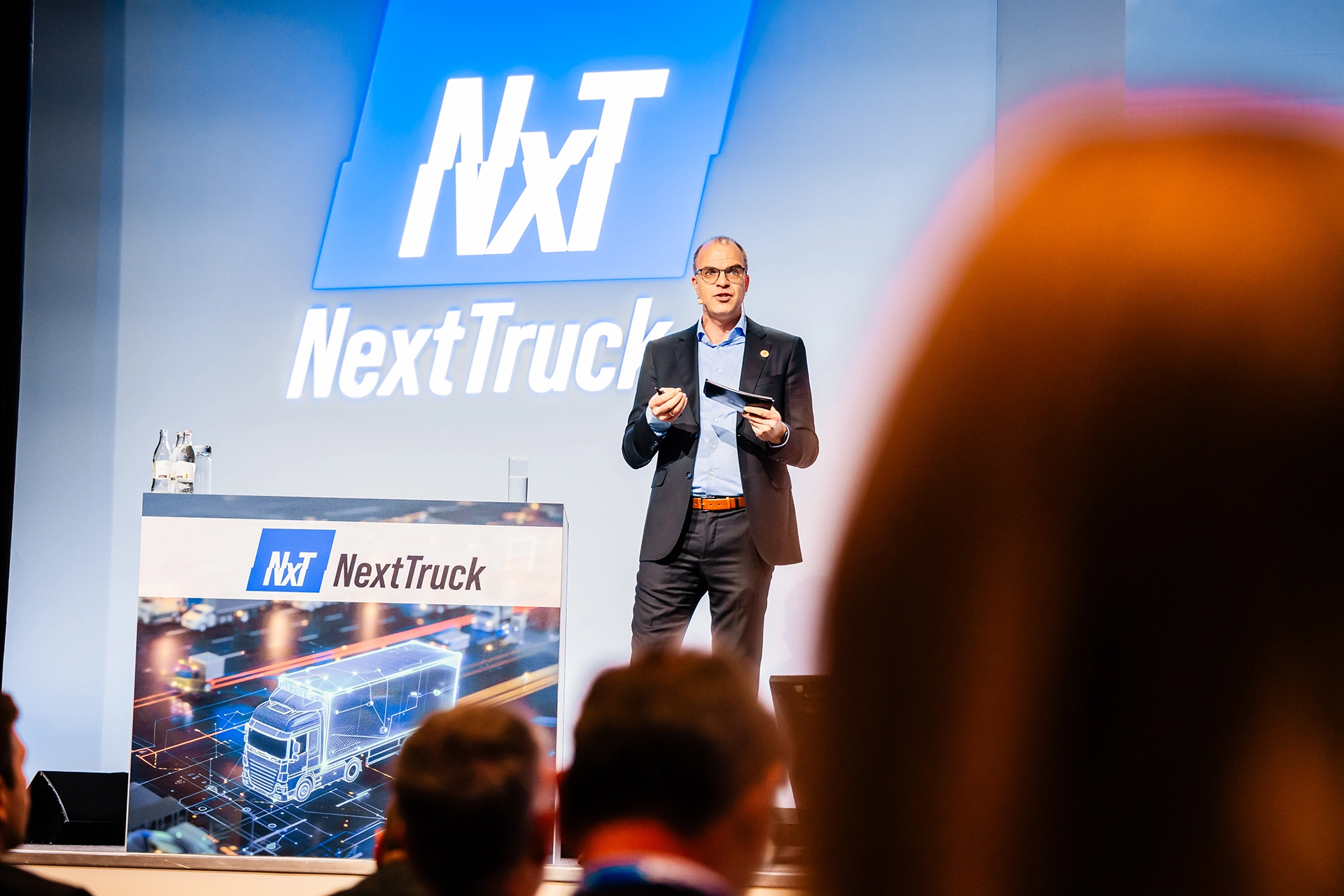
As trucks become increasingly connected, automated and software-defined, the demands on their energy systems are changing. At NextTruck 2026 in Berlin, Clarios joined decision-makers from across the commercial vehicle industry to discuss what this transformation means for energy storage and intelligent vehicle architectures.
NextTruck brings together decision-makers from across the European truck and logistics industry to explore topics ranging from connected mobility and fleet transformation to new powertrain technologies and energy infrastructure. For Clarios, the conference provided an opportunity to connect with vehicle manufacturers, fleets and technology partners at a time when the role of energy in commercial vehicles is becoming increasingly important.
On the main stage, Clarios Chief Technology Officer Dr. Alexander van Laack explored how connectivity, automation, artificial intelligence and increasingly sophisticated vehicle electronics are changing the demands placed on a truck's electrical architecture.
“We often talk about software-defined vehicles. But before a vehicle can be software-defined, it must be energy-defined.”
Dr. Alexander van Laack,
Chief Technology Officer, Clarios
For vehicle manufacturers, this means looking beyond the battery as an individual component. Reliable energy is becoming an increasingly important part of the overall vehicle architecture, supporting everything from safety and connectivity to sensors, computing and advanced vehicle functions. For fleets, the objective is equally clear: keeping vehicles operating reliably, reducing unplanned downtime and protecting business continuity.
From energy storage to energy intelligence
As commercial vehicles become more connected, energy systems can become more intelligent as well. Battery monitoring, real-time data and analytics can provide greater insight into battery condition and performance, helping fleets and service organizations make better-informed maintenance decisions.
At the same time, different vehicle applications require different solutions. Lead, lithium-ion, sodium-ion and supercapacitors each bring distinct characteristics. Rather than expecting one technology to meet every requirement, Clarios takes a technology-open approach focused on selecting and integrating the right technologies for the specific vehicle, duty cycle and application.
This moves the conversation beyond individual batteries toward integrated energy systems, where energy storage, power conversion, monitoring, controls and analytics work together to support vehicle performance and uptime.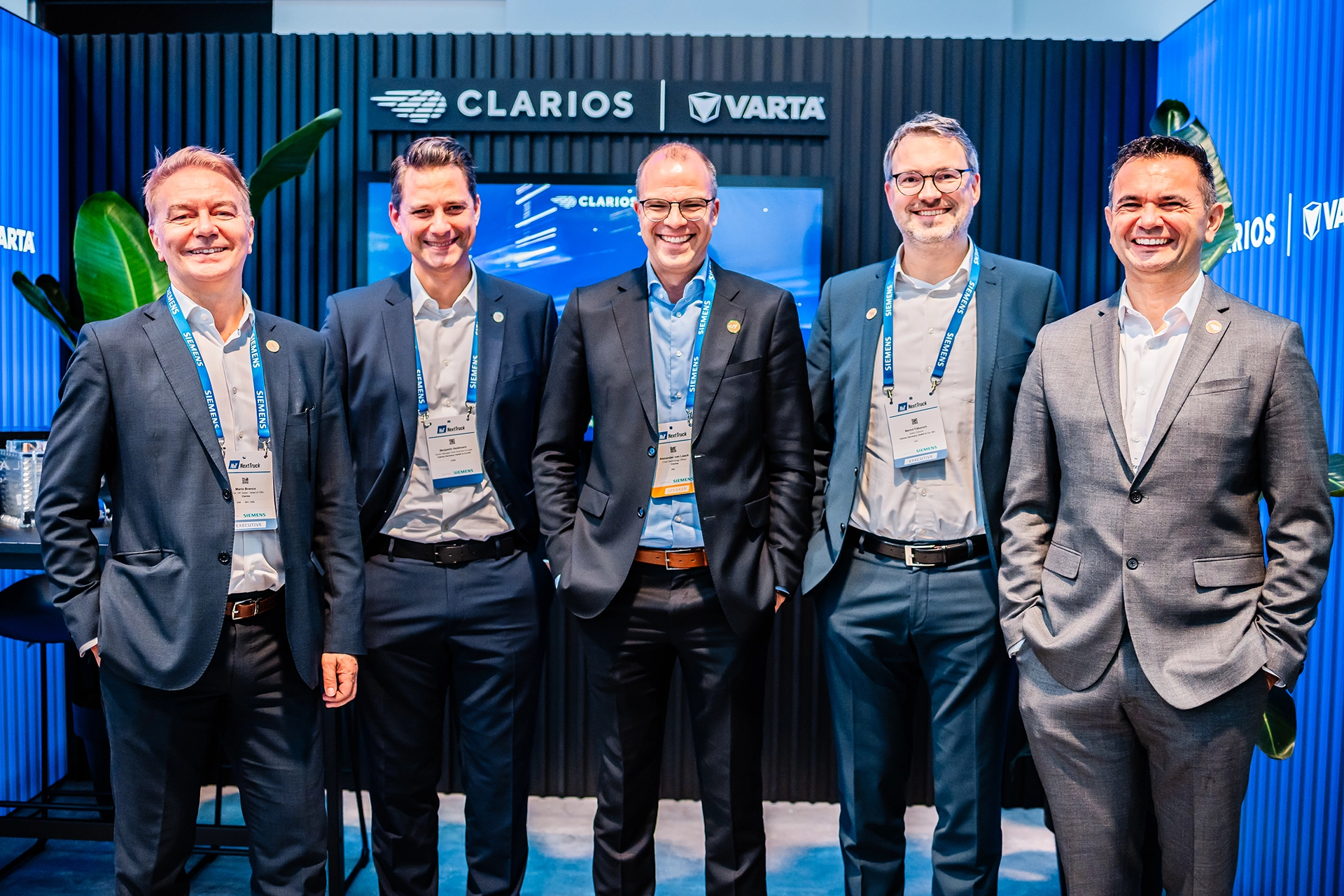
Turning industry interest into further dialogue
NextTruck provided an opportunity to bring this perspective directly into discussions with vehicle manufacturers, fleets and technology partners. Dr. Alexander van Laack’s keynote and the conversations around the conference generated interest among the intended audiences and have led to follow-up engagement with OEM and fleet stakeholders.
As trucks become more connected, automated and software-driven, reliable and intelligent energy will become a critical part of vehicle performance. By combining energy storage with monitoring, controls, power conversion and analytics, Clarios is working to help the commercial vehicle industry manage this growing complexity.