Low-Voltage Power Is No Longer Hardware. It’s Intelligence.
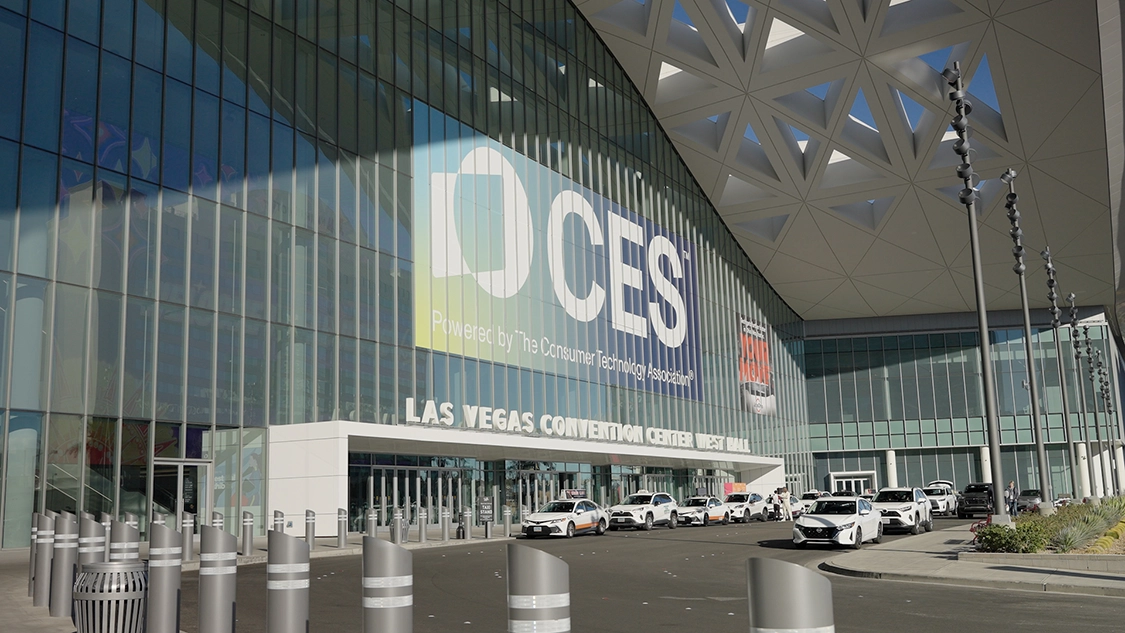
LAS VEGAS – Friday, January 9, 2026
Today is the culmination of the world’s largest technology conference – CES. As leaders in the automotive power management space, we use CES as an opportunity to exhibit our products and systems, and to showcase the future of low-voltage power.
At CES this year, one message was clear: power source demands have increased and will continue to do so. Our team walked the West Hall at the Las Vegas Convention Center and identified the top trends we saw emerge from the floor.
#1: Power sources are moving from “component” to “system intelligence core”
With advancements in automation forthcoming, an end-to-end power management blueprint is needed to make supply chains less complicated and more efficient. Importantly, a variety of high-impact industries need a new level of confidence, reliability and expertise in electrical architecture as systems become more complex and power hungry.
At Clarios, we developed the Clarios Power Management System (CPMS) as our blueprint for low-voltage power from generation to monitoring. It’s how we think about powering modern systems through a complete architecture, not a single component. CPMS is how we bring together energy storage, power electronics, distribution, stabilization and digital monitoring into one low-voltage power management system.
#2: Automation through robotics is moving at lightning speed
From humanoid robot display to classical industrial robot line, the integration of robot technology into automation processes is imperative.
Robotics will increasingly play a significant role in relieving the most repetitive tasks in automation, and it takes the right team to manage them. Robots will reduce physical stresses, and also free up the human aptitude necessary to train AI-driven automation systems that require consistent inputs for maximum effect.
Our new acquisition of Maxwell Technologies demonstrates our commitment to powering advanced manufacturing and robotics. We are also in the process of establishing a Manufacturing Technology & Training Center to support American manufacturing and workforce development which will advance strategic technologies including advanced robotics, AI-augmented vision systems and more.
#3: Passenger experience is driving the advancement of autonomous vehicles
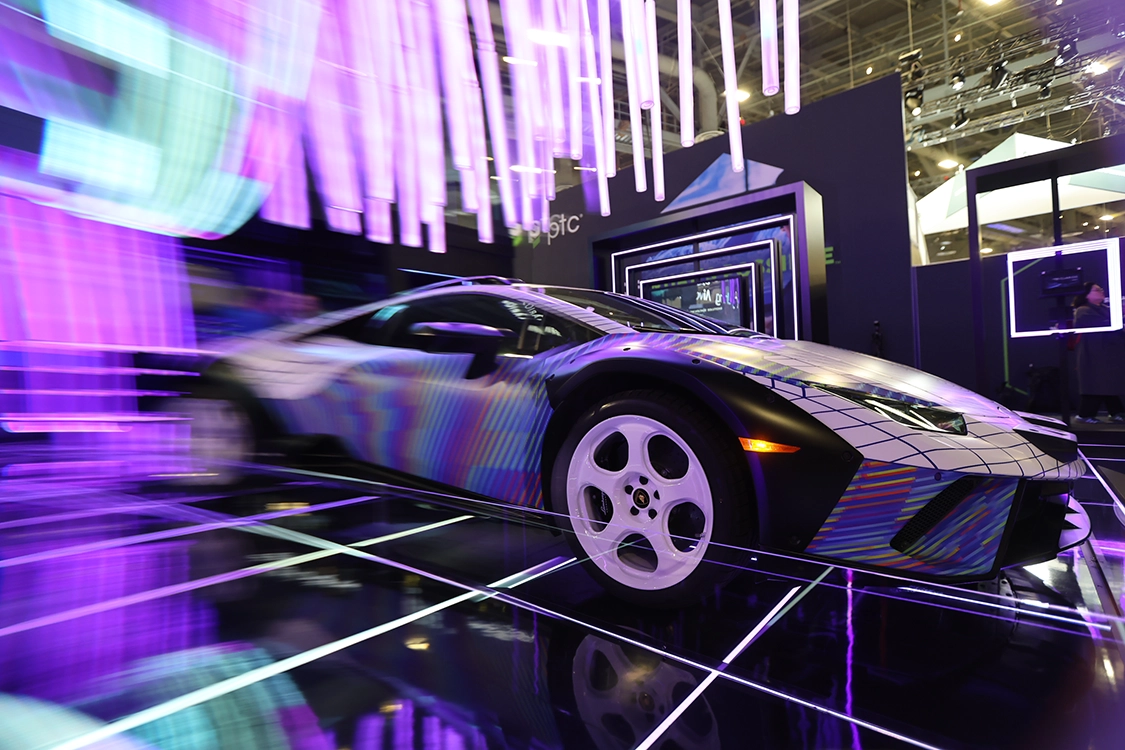
A common thread across the most impressive booths on the show floor were the displays of high performance two-wheel and four-wheel vehicles. From the custom livery and interactive lighting installation by artist J. Demsky, using a Lamborghini Huracán Sterrato, at our booth, to the Clarios-powered Amazon Zoox robotaxi, the demand for power and performance was clear.
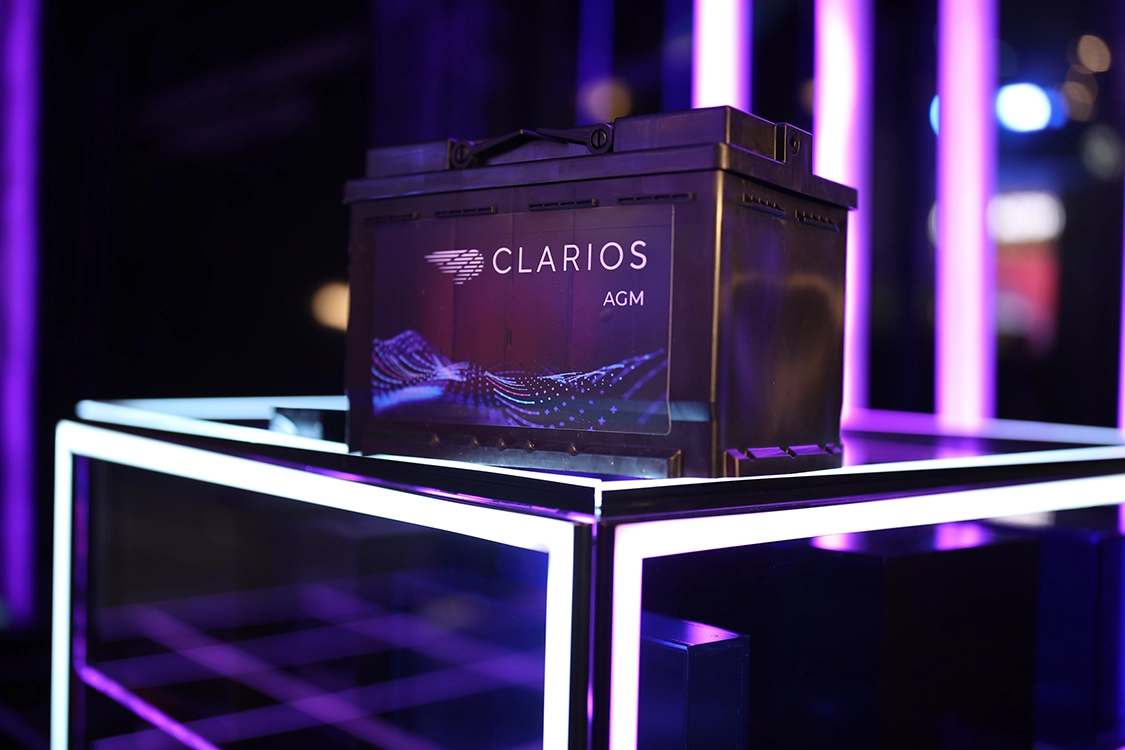
There’s been a major shift in design prioritization from powertrain performance to user experience. Key examples at CES were showcased in the latest lines of combustion and electric vehicles. Our OEM partners rely on superior low-voltage power from our Absorbent Glass Mat (AGM) battery. Our AGM product is built for the increasing demands of modern vehicles.
Other examples from CES demonstrating the growing need for sophisticated low-voltage power include:
- Electrical moveable seat arrangements in passenger vehicles
- Retractable steering wheels for L4 autonomous vehicles
- Rider communication interfaces and “halo” sensor arrays
- Advanced driver assistance systems
#4: Artificial Intelligence is a non-negotiable for powering systems across automotive
The theme of CES 2026 is AI, specifically its integration into everyday life and products across industry sectors including automotive. The industry relies on AI to speed development, reduce costs and streamline operations. Some manufacturers such as Aumovio discussed at the conference how they lean on AI to increase vehicle affordability. Additionally, as suppliers turn their focus to the western supply chain, power sources are less dependent on volatile conflict minerals (solid state, Lithium-sulfur).
AI touches several points of business within our walls. Supply chain, logistics, fulfillment, product modeling, software development and finance operations are a few of the areas where AI is put to use at Clarios. A key benefit of AI implementation to our customers, investors and employees is that we can move to market faster, more safely and with quality.
We leverage AI and machine learning to help some of the world’s biggest fleets maintain and monitor battery health. Our Connected Services platform was on full display at CES where we highlighted how our offering provides real-time insights and predictive analytics that enhance vehicle safety, efficiency and sustainability.
The Cockpit is Becoming the Primary Battleground not the Powertrain
Consumers expect today’s vehicles to go beyond getting them to a destination alone; they now expect in-vehicle experiences and autonomy. Real-time energy management and predictable, reliable performance are required to deliver those experiences. The software is defining the vehicle now, not the hardware.
We identified this insight and at CES 2026 we demonstrated how intelligence is being embedded directly into electrical architecture – enabling vehicles to optimize power delivery and enable optimal driver experiences. The battery, specifically the low-voltage, is no longer isolated hardware. It’s a core component that must integrate seamlessly with vehicle architecture.
Our CPMS blueprint is a solution we are proud to showcase at CES 2026, and one we know will deliver value to our customers. Powered by our people, our products and solutions are optimized for the future.
And that’s a trend we turned into action long before we hit the floor at CES 2026.